Health
-
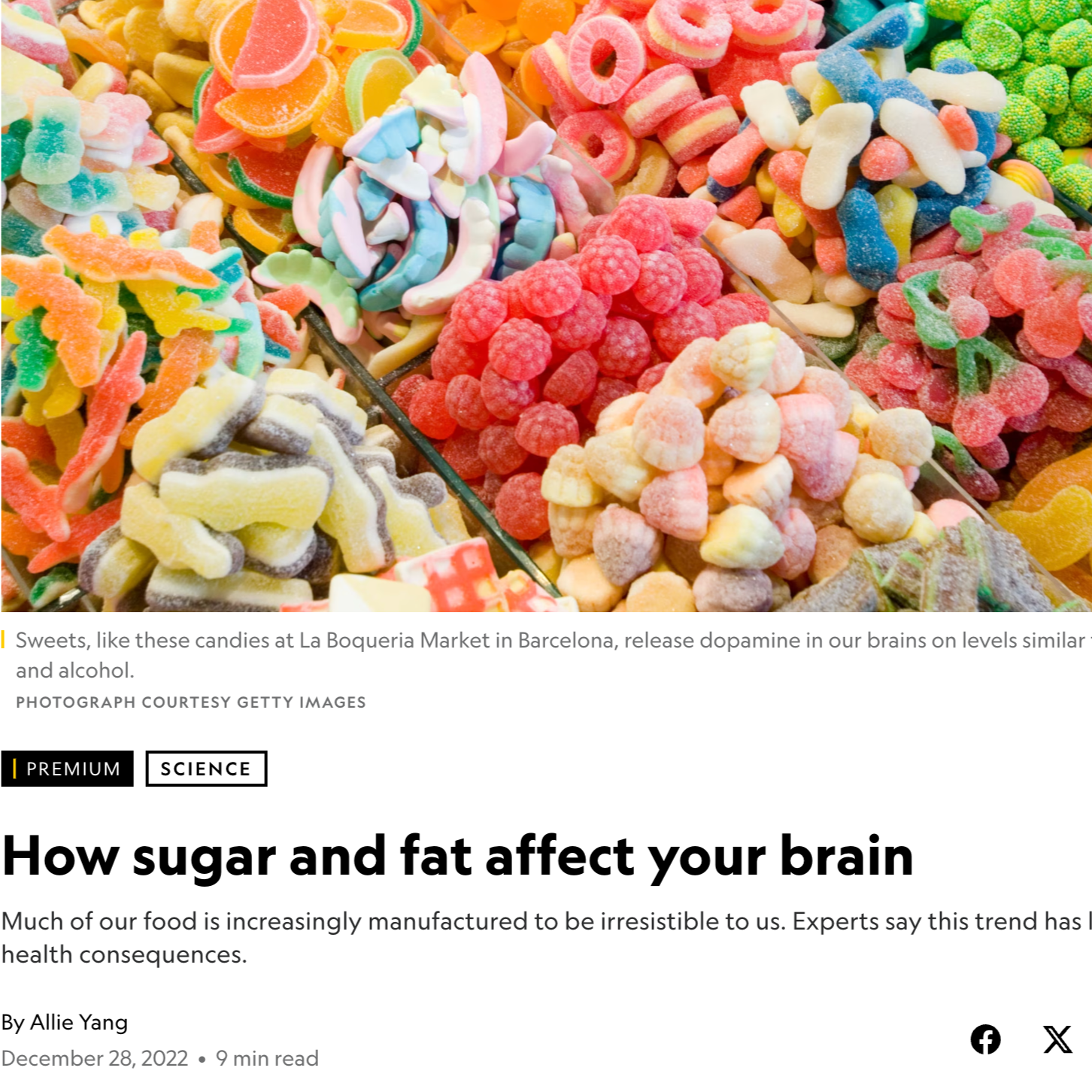
This story was born from a brainstorm about holiday season eating but became something much more—a long-form, evergreen reference piece breaking down concepts like ultra-processed foods and food addiction in plain language.
This required me to really familiarize myself with existing research and different perspectives in the field. I was really lucky to connect with researchers Alexandra DiFeliceantonio and Ashley Gearhardt. They are both so passionate about their work and patiently, clearly, answered all questions until I was really comfortable with the research landscape. I loved their message that we shouldn’t blame ourselves for bad relationships with foods inherently designed to override moderation.
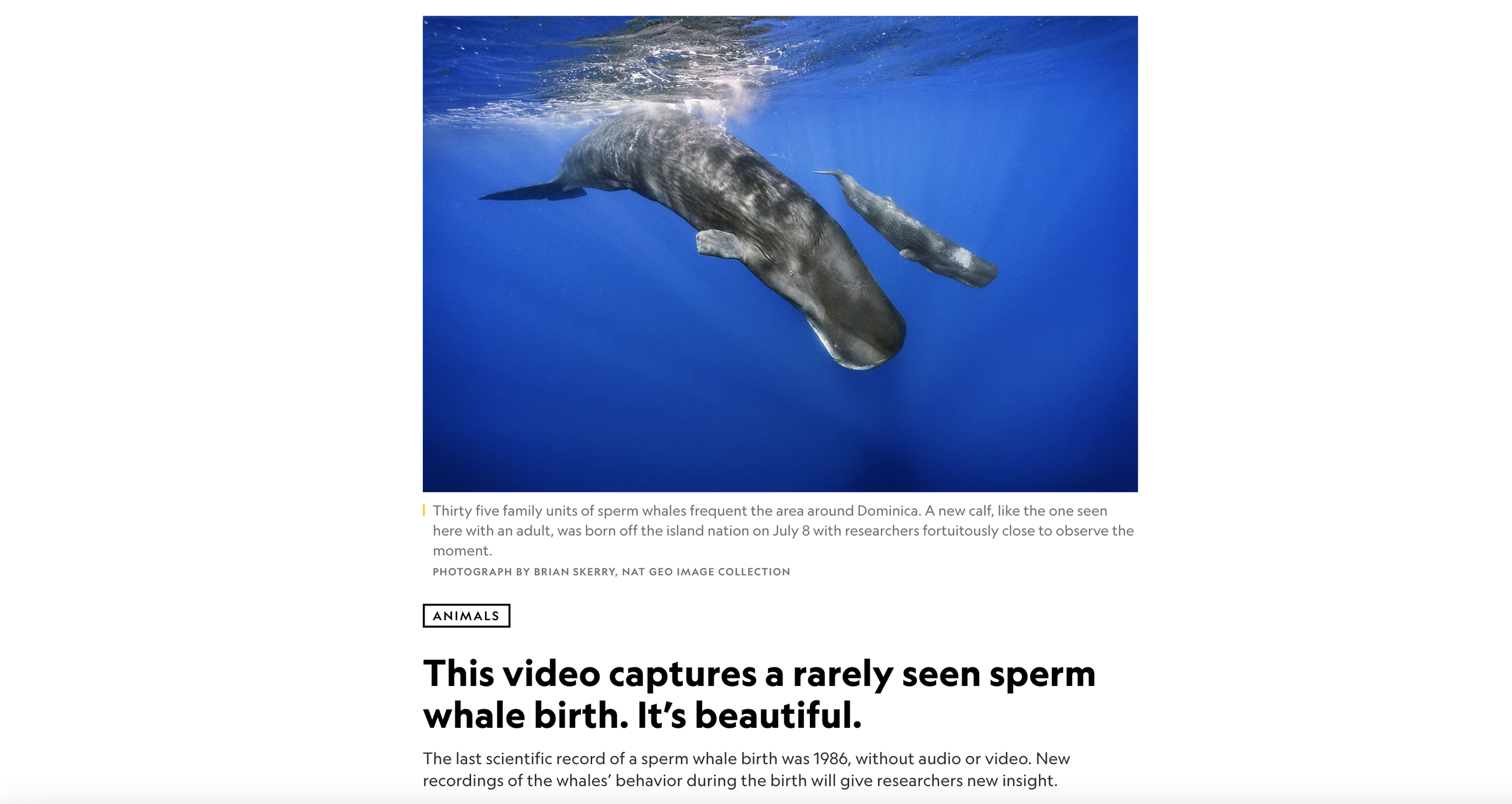
In 2024, I was interviewed for this video piece inspired by the article for National Geographic’s YouTube channel, which was a really fun experience!
-
The term “liquid biopsy” seems simple and almost self-explanatory. When we decided to do an explainer in response to some developments in the technology, even I thought it’d be easy.
That was not the case. Part of the problem was difficulty finding good sources. I was not becoming fluent enough by reading the literature and needed to talk to someone who could answer ground-level questions. This was shockingly hard to find, despite the amount of research that exists on this.
I probably did 5 or 6 interviews I couldn’t use before getting in touch with Amir Goldkorn, who made this story possible. Not only is his passion for the work contagious, but his ability to creatively communicate was very inspiring to me.
This story really cemented my passion for doing health stories that translate complicated research into accessible stories that people can use.
Science
Plants can talk. Yes, really. Here’s how.
-
This story was born from a brainstorm about holiday season eating but became something much more—a long-form, evergreen reference piece breaking down concepts like ultra-processed foods and food addiction in plain language.
This required me to really familiarize myself with existing research and different perspectives in the field. I was really lucky to connect with researchers Alexandra DiFeliceantonio and Ashley Gearhardt. They are both so passionate about their work and patiently, clearly, answered all questions until I was really comfortable with the research landscape. I loved their message that we shouldn’t blame ourselves for bad relationships with foods inherently designed to override moderation.
In 2024, I was interviewed for this video piece inspired by the article for National Geographic’s YouTube channel, which was a really fun experience!
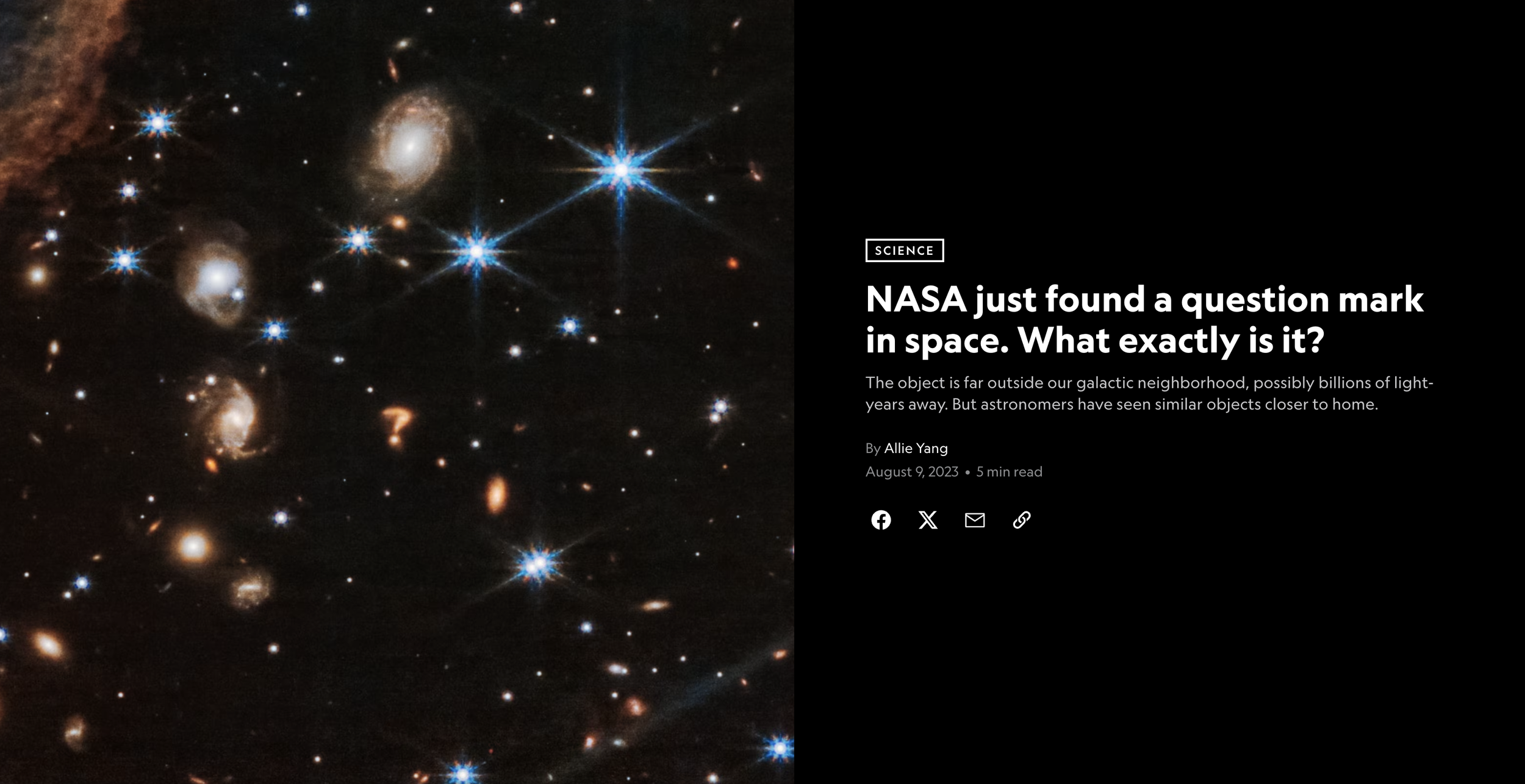
NASA found a question mark in space. What exactly is it?
-
The term “liquid biopsy” seems simple and almost self-explanatory. When we decided to do an explainer in response to some developments in the technology, even I thought it’d be easy.
That was not the case. Part of the problem was difficulty finding good sources. I was not becoming fluent enough by reading the literature and needed to talk to someone who could answer ground-level questions. This was shockingly hard to find, despite the amount of research that exists on this.
I probably did 5 or 6 interviews I couldn’t use before getting in touch with Amir Goldkorn, who made this story possible. Not only is his passion for the work contagious, but his ability to creatively communicate was very inspiring to me.
This story really cemented my passion for doing health stories that translate complicated research into accessible stories that people can use.
Science
Plants can talk. Yes, really. Here’s how.
-
This story was born from a brainstorm about holiday season eating but became something much more—a long-form, evergreen reference piece breaking down concepts like ultra-processed foods and food addiction in plain language.
This required me to really familiarize myself with existing research and different perspectives in the field. I was really lucky to connect with researchers Alexandra DiFeliceantonio and Ashley Gearhardt. They are both so passionate about their work and patiently, clearly, answered all questions until I was really comfortable with the research landscape. I loved their message that we shouldn’t blame ourselves for bad relationships with foods inherently designed to override moderation.
In 2024, I was interviewed for this video piece inspired by the article for National Geographic’s YouTube channel, which was a really fun experience!
NASA found a question mark in space. What exactly is it?
-
The term “liquid biopsy” seems simple and almost self-explanatory. When we decided to do an explainer in response to some developments in the technology, even I thought it’d be easy.
That was not the case. Part of the problem was difficulty finding good sources. I was not becoming fluent enough by reading the literature and needed to talk to someone who could answer ground-level questions. This was shockingly hard to find, despite the amount of research that exists on this.
I probably did 5 or 6 interviews I couldn’t use before getting in touch with Amir Goldkorn, who made this story possible. Not only is his passion for the work contagious, but his ability to creatively communicate was very inspiring to me.
This story really cemented my passion for doing health stories that translate complicated research into accessible stories that people can use.
History & Culture
Hawaii’s Native language nearly vanished—This is the fight to bring it back.
-
This story was born from a brainstorm about holiday season eating but became something much more—a long-form, evergreen reference piece breaking down concepts like ultra-processed foods and food addiction in plain language.
This required me to really familiarize myself with existing research and different perspectives in the field. I was really lucky to connect with researchers Alexandra DiFeliceantonio and Ashley Gearhardt. They are both so passionate about their work and patiently, clearly, answered all questions until I was really comfortable with the research landscape. I loved their message that we shouldn’t blame ourselves for bad relationships with foods inherently designed to override moderation.
In 2024, I was interviewed for this video piece inspired by the article for National Geographic’s YouTube channel, which was a really fun experience!
Exploring the magic of Taiwan’s ‘Spirited Away’ city
-
The term “liquid biopsy” seems simple and almost self-explanatory. When we decided to do an explainer in response to some developments in the technology, even I thought it’d be easy.
That was not the case. Part of the problem was difficulty finding good sources. I was not becoming fluent enough by reading the literature and needed to talk to someone who could answer ground-level questions. This was shockingly hard to find, despite the amount of research that exists on this.
I probably did 5 or 6 interviews I couldn’t use before getting in touch with Amir Goldkorn, who made this story possible. Not only is his passion for the work contagious, but his ability to creatively communicate was very inspiring to me.
This story really cemented my passion for doing health stories that translate complicated research into accessible stories that people can use.